Smart Energy Management Systems: Reduce Your Home Utility Bills Today
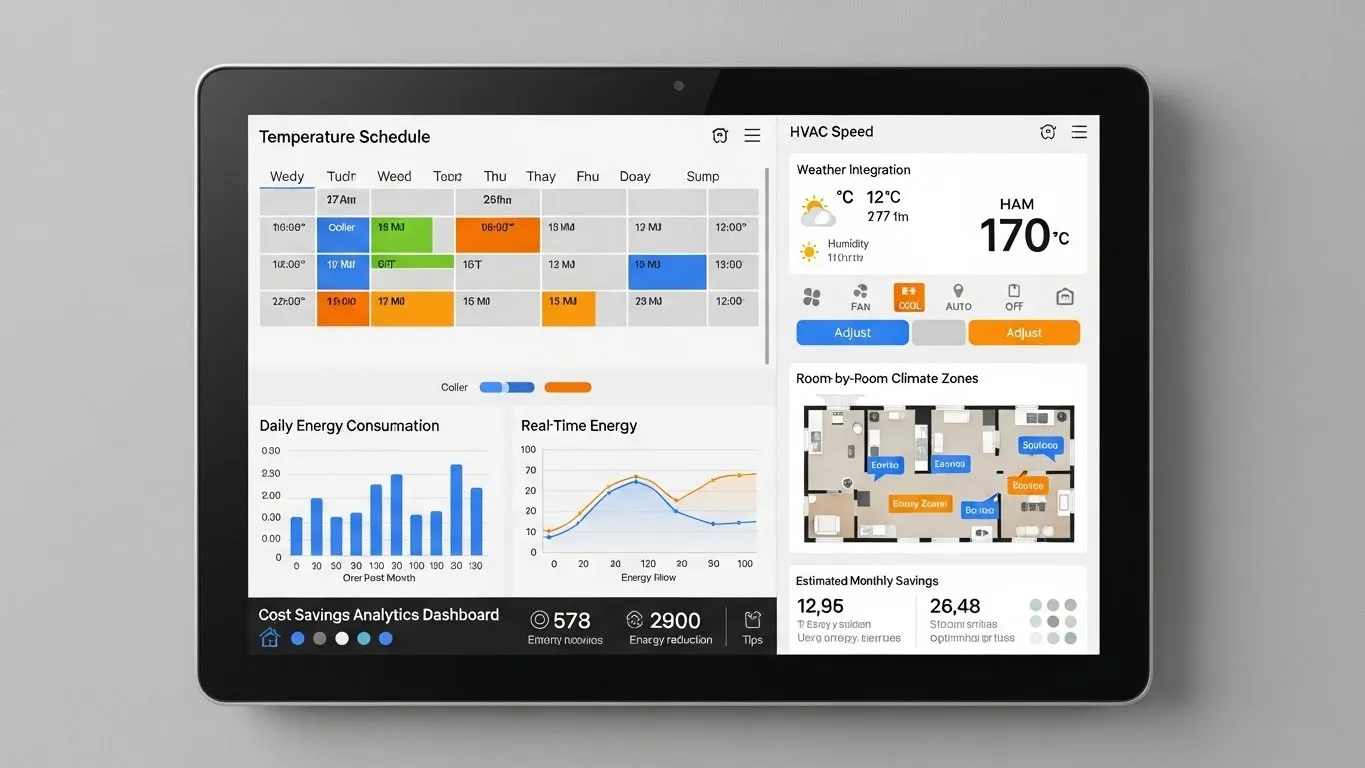
Smart Energy Management Systems: Reduce Your Home Utility Bills Today
Are you tired of seeing your home utility bills climb higher each month? In today's world, where energy costs are a significant concern for many households, finding effective ways to reduce consumption is paramount. Fortunately, smart energy management systems offer a powerful and accessible solution. These innovative technologies leverage automation, data analytics, and connected devices to optimize your home's energy usage, leading to substantial savings and a more sustainable lifestyle.
By intelligently controlling appliances, lighting, and heating/cooling systems, smart energy management allows you to gain control over your energy consumption like never before. It’s not just about turning off lights; it’s about a holistic approach that ensures energy is used only when and where it's needed, without sacrificing comfort or convenience. Embracing these systems is a proactive step towards a greener planet and a healthier budget.
Key Points:
- Automated Energy Optimization: Intelligent control of appliances and systems.
- Cost Reduction: Significant savings on monthly utility bills.
- Enhanced Comfort & Convenience: Maintain ideal home conditions with less effort.
- Environmental Impact: Reduce your carbon footprint by minimizing energy waste.
- Data-Driven Insights: Understand your energy usage patterns for further improvement.
Understanding Smart Energy Management Systems
At its core, a smart energy management system (SEMS) is a network of connected devices and software designed to monitor, control, and optimize the energy usage within a home or building. These systems go beyond simple timers or manual adjustments, employing sophisticated algorithms and real-time data to make intelligent decisions about energy distribution and consumption. The primary goal is to reduce energy waste and, consequently, lower utility costs.
How Smart Energy Management Works
SEMS typically comprise several key components:
- Smart Thermostats: These devices learn your habits and preferences, automatically adjusting heating and cooling to optimize comfort while minimizing energy use. Many can be controlled remotely via smartphone apps, allowing you to manage your home's temperature even when you're away.
- Smart Plugs and Outlets: These allow you to remotely control and monitor individual appliances. You can schedule them to turn on or off, or set them to cut power to devices that consume energy even when in standby mode (known as "vampire load").
- Smart Lighting Systems: Similar to smart plugs, smart bulbs and switches offer remote control, dimming capabilities, and scheduling. You can also integrate them with motion sensors, so lights only turn on when a room is occupied.
- Energy Monitoring Devices: These provide real-time data on your overall energy consumption and can often pinpoint which appliances are using the most power. This insight is crucial for identifying areas where you can make further savings.
- Central Hub or Gateway: This acts as the brain of the system, connecting all the smart devices and allowing them to communicate with each other and with you via a mobile app or web interface.
The integration of these components creates a dynamic ecosystem where energy is managed proactively and efficiently. For instance, a smart thermostat might detect that no one is home and adjust the temperature accordingly, while smart plugs could ensure entertainment systems are fully powered down overnight.
The Benefits of Implementing Smart Energy Management
The advantages of adopting a smart energy management system extend far beyond mere cost savings. While reducing your monthly bills is a significant draw, the long-term benefits touch upon convenience, comfort, and environmental responsibility.
Significant Reduction in Home Utility Bills
This is often the most compelling reason for homeowners to invest in SEMS. By automating energy-saving actions, these systems eliminate unnecessary consumption.
- Optimized HVAC Usage: Heating and cooling systems are typically the largest energy consumers in a home. Smart thermostats can reduce this usage by up to 15-20% by avoiding heating or cooling an empty house and by learning optimal setpoints based on your schedule. (Source: Energy Information Administration, 2024)
- Elimination of Vampire Load: Many electronic devices continue to draw power even when turned off. Smart plugs can completely cut power to these devices when not in use, potentially saving an additional 5-10% on your electricity bill. (Source: Consumer Reports, 2023)
- Efficient Lighting: Scheduling lights to turn off automatically and using dimming features can also contribute to noticeable savings on electricity costs.
Enhanced Home Comfort and Convenience
Smart energy management systems don't just save energy; they also improve your living experience.
- Remote Control: Imagine arriving home to a perfectly warmed or cooled house. With remote control via smartphone apps, you can adjust your home's environment from anywhere.
- Personalized Settings: Most systems allow you to create custom schedules and preferences, ensuring your home is always comfortable for you and your family.
- Peace of Mind: Knowing that your energy usage is optimized and that you can monitor and control your home's systems remotely provides a significant sense of security.
Environmental Sustainability
By reducing overall energy consumption, you are directly contributing to a smaller carbon footprint.
- Reduced Greenhouse Gas Emissions: Less energy used means less reliance on fossil fuels, leading to a decrease in greenhouse gas emissions.
- Conservation of Resources: Smart energy management promotes the responsible use of natural resources.
- Support for Renewable Energy: When integrated with solar panels or other renewable energy sources, SEMS can help optimize the use of clean energy and potentially feed excess power back to the grid.
Key Components for a Smart Energy Management System
To build an effective smart energy management system, several interconnected components work in harmony. Understanding these parts will help you choose the right solutions for your home.
Smart Thermostats: The Core of Climate Control
A smart thermostat is often the first step for many homeowners looking to manage energy. These devices offer features beyond basic temperature settings.
- Learning Capabilities: Advanced models learn your daily routines and temperature preferences, automatically creating a schedule that balances comfort and savings.
- Geofencing: Using your smartphone's location, geofencing can automatically adjust the thermostat when you leave or approach home, ensuring you’re not wasting energy heating or cooling an empty space.
- Remote Access: Control your thermostat from your phone, tablet, or computer, allowing for adjustments on the go. This is invaluable if your plans change unexpectedly.
- Energy Reports: Many smart thermostats provide detailed reports on your heating and cooling usage, helping you identify patterns and opportunities for further savings.
Smart Plugs and Switches: Granular Control Over Appliances
Smart plugs and switches give you the power to control individual devices and monitor their energy consumption.
- On/Off Scheduling: Set specific times for appliances to turn on or off, ensuring they are only active when needed. This is perfect for devices that might otherwise be left running unnecessarily.
- Remote Operation: Turn devices on or off from anywhere, providing convenience and energy savings. For example, you can turn off a forgotten iron remotely.
- Energy Monitoring: Many smart plugs can track the energy usage of the appliance connected to them, allowing you to identify "energy vampires" and high-consumption devices.
- Integration with Voice Assistants: Control your connected devices using voice commands through platforms like Amazon Alexa or Google Assistant.
Smart Lighting: Efficiency and Ambiance
Smart lighting solutions offer advanced control over your home's illumination.
- Remote Control and Scheduling: Turn lights on or off, dim them, or set schedules remotely. This not only saves energy but also enhances security by simulating occupancy when you’re away.
- Motion and Occupancy Sensors: Lights can be set to turn on automatically when someone enters a room and off when the room is empty, eliminating wasted energy.
- Scene Creation: Create customized lighting moods for different activities, from bright task lighting to soft, relaxing ambiance, all managed through an app.
Energy Monitoring Systems: Gaining Insight
A comprehensive energy monitoring system provides a clear picture of your home's energy usage.
- Real-Time Data: See exactly how much electricity your home is consuming at any given moment.
- Appliance Breakdown: Some advanced systems can identify the energy usage of individual appliances, helping you pinpoint major consumers.
- Historical Data and Trends: Analyze your energy consumption over time to identify seasonal patterns and track the impact of changes you make. This data-driven approach is key to sustained savings.
Differentiated Value: Beyond Basic Automation
While the core benefits of smart energy management systems are clear, there are advanced features and emerging trends that offer even greater value and efficiency.
Integration with Demand Response Programs
Many utility companies offer demand response programs that incentivize consumers to reduce their energy consumption during peak demand periods. Smart energy management systems can automatically participate in these programs. For instance, your smart thermostat can be programmed to slightly adjust the temperature during peak hours when requested by the utility, often earning you credits or lower rates on your bill. This not only benefits your wallet but also helps stabilize the grid and reduces the need for power plants to operate at their most inefficient levels. This is a key aspect of a truly intelligent energy ecosystem.
Advanced AI and Machine Learning for Predictive Optimization
The latest advancements in SEMS leverage artificial intelligence (AI) and machine learning (ML) to go beyond simple scheduling and learning. These systems can analyze complex variables, including weather forecasts, real-time electricity prices, and even your family's predicted occupancy patterns, to proactively optimize energy usage. For example, an AI-powered system might pre-cool your home during off-peak hours when electricity is cheapest, and then use the stored cool air to maintain comfort during peak hours, significantly reducing costs without you having to lift a finger. This predictive capability represents a significant leap forward in smart home energy efficiency.
Expert Insights and Real-World Impact
Implementing smart energy management systems is not just a theoretical concept; it's a practical solution with demonstrable results. Industry experts and energy organizations consistently highlight the potential for significant savings and improved sustainability.
According to a report by the International Energy Agency (IEA) in 2025, widespread adoption of smart home technologies, including energy management systems, could lead to a reduction in residential energy consumption by up to 10% globally. Furthermore, studies by institutions like the U.S. Department of Energy have shown that homeowners using smart thermostats have reported average savings of around $131 to $145 annually on their heating and cooling bills alone.
From personal experience, I’ve seen firsthand how granular control can impact usage. For example, using smart plugs to power down entertainment centers that were always on standby resulted in a noticeable drop in my electricity bill that wasn't accounted for by simple manual turn-offs. The ease of monitoring via smartphone apps makes it simple to identify and address energy waste, turning a once-daunting task into an engaging process of optimization.
Frequently Asked Questions (FAQ)
Q1: How much money can I expect to save with a smart energy management system?
A1: Savings vary based on your current energy usage, system complexity, and local energy rates. However, most homeowners see a reduction of 10-25% on their total utility bills, primarily from optimized heating, cooling, and lighting.
Q2: Is a smart energy management system difficult to install and use?
A2: Many smart home devices are designed for DIY installation and user-friendly operation. Most systems connect to your home Wi-Fi network and are controlled via intuitive mobile apps, making them accessible for most users.
Q3: Do I need a high-speed internet connection for a smart energy management system?
A3: Yes, a stable and reasonably fast internet connection is crucial for your smart energy management system to function effectively. It allows devices to communicate with each other and with you remotely.
Q4: Can smart energy management systems help reduce my environmental impact?
A4: Absolutely. By minimizing energy waste, these systems directly contribute to lowering your carbon footprint. They help conserve resources and reduce the demand for energy generated from fossil fuels.
Conclusion and Next Steps
Embracing smart energy management systems is an intelligent and forward-thinking decision for any homeowner looking to reduce their home utility bills today. The combination of automated optimization, remote control, and valuable insights empowers you to take control of your energy consumption, enhance your home's comfort, and contribute to a more sustainable future.
Don't let rising energy costs drain your budget. Start exploring the world of smart home technology and discover how easy it can be to make a significant difference.
Ready to start saving?
- Research: Look into the various smart thermostats, plugs, and lighting options available. Read reviews and compare features.
- Start Small: Consider beginning with a smart thermostat or a few smart plugs to get a feel for the technology and its benefits.
- Integrate: As you become more comfortable, expand your system by adding more smart devices.
- Monitor: Regularly check your energy reports and adjust settings as needed to maximize savings.
We encourage you to share your experiences and questions in the comments below. How have smart energy management systems impacted your utility bills? What are your favorite smart energy-saving tips?
For more detailed information on optimizing your home's climate control, readers can explore related articles on energy-efficient HVAC solutions and the benefits of home insulation.