Smart Energy Management: Reducing Bills with Home Automation
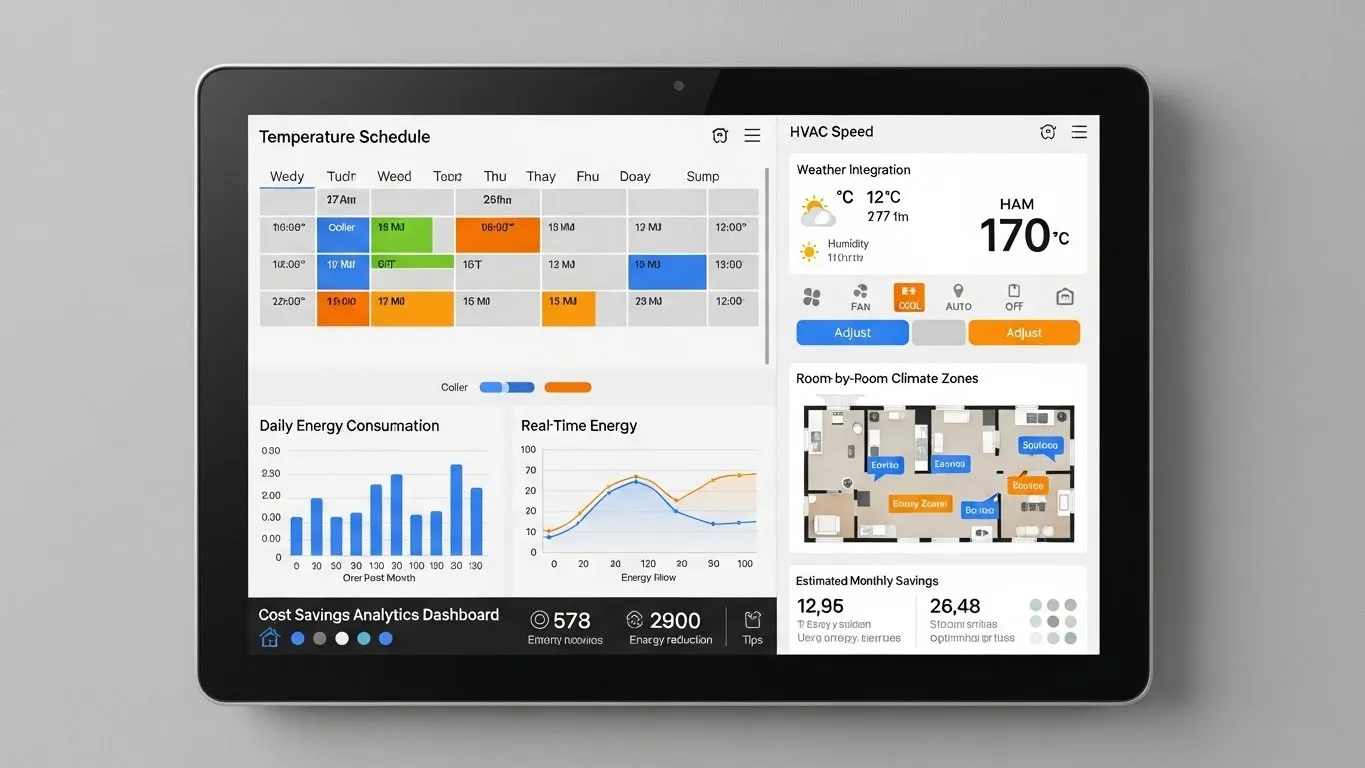
Smart energy management is no longer a futuristic concept; it's a tangible reality that empowers homeowners to take control of their utility bills and environmental footprint. By integrating home automation technologies, you can transform your living space into an intelligent ecosystem that optimizes energy consumption without sacrificing comfort. This article delves into the practical strategies and innovative devices that make reducing bills with home automation not just possible, but remarkably straightforward. From intelligent thermostats to smart lighting and appliance control, embracing these solutions offers a pathway to substantial savings and a more sustainable lifestyle.
Key Points for Smart Energy Management:
- Automated Savings: Home automation actively reduces energy waste.
- Intelligent Control: Devices learn and adapt to your usage patterns.
- Remote Access: Manage your home's energy from anywhere.
- Enhanced Comfort: Maintain ideal conditions efficiently.
- Eco-Friendly Living: Lower your carbon footprint with smart choices.
Unlocking Savings with Smart Energy Management and Home Automation
The promise of a smarter home extends far beyond convenience; it offers a powerful avenue for smart energy management, directly impacting your monthly utility expenses. Home automation systems provide the tools to monitor, control, and optimize energy usage across various aspects of your household. This proactive approach helps identify energy vampires and implement automated solutions to curb unnecessary consumption, leading to significant savings over time. It's about making your home work smarter, not harder, to keep costs down.
The Foundation: Smart Thermostats and HVAC Optimization
One of the most impactful areas for energy reduction through home automation is your heating, ventilation, and air conditioning (HVAC) system. Smart thermostats are the cornerstone of this optimization. These devices go beyond simple scheduling; they learn your preferences, adapt to external weather conditions, and even detect when you're away from home.
- Adaptive Learning: Modern smart thermostats observe your temperature adjustments and build a personalized schedule, ensuring comfort when you're home and savings when you're not.
- Geofencing Capabilities: Using your smartphone's location, these thermostats can automatically adjust temperatures as you leave or approach your home, preventing wasted energy on an empty house.
- Zone Control Systems: For larger homes, integrating smart thermostats with zone control allows you to heat or cool only the occupied areas, drastically reducing energy expenditure compared to conditioning the entire house.
Studies consistently show that smart thermostats can reduce heating and cooling costs by 10-15%. For example, a 2023 report by the Energy Efficiency Institute highlighted that households adopting smart thermostat technology saw an average 12% reduction in their annual HVAC bills, translating to hundreds of dollars in savings.
Illuminating Efficiency: Smart Lighting Automation
Lighting accounts for a significant portion of household electricity consumption. Smart lighting automation offers an elegant solution to this challenge, combining convenience with substantial energy savings. These systems allow for precise control over when, where, and how brightly your lights operate.
- Occupancy Sensors: Lights can automatically turn on when someone enters a room and off when it's empty, eliminating the common problem of lights being left on unnecessarily.
- Daylight Harvesting: Smart lighting systems can detect natural light levels and dim artificial lights accordingly, ensuring optimal illumination without over-lighting.
- Scheduled Scenes: Create schedules for your lights to turn on/off at specific times, or even simulate occupancy when you're away, enhancing security while managing energy.
- LED Integration: While not strictly automation, pairing smart controls with energy-efficient LED bulbs maximizes savings, as LEDs consume far less power than traditional incandescent bulbs.
Consider a scenario where a family consistently leaves lights on in unoccupied rooms. With smart lighting, these lights would automatically switch off, preventing hours of wasted electricity each day. This simple automation can lead to a noticeable drop in your electricity bill.
Empowering Appliances: Smart Plugs and Appliance Control
Many household appliances, even when turned off, continue to draw a small amount of power – this is known as "vampire drain" or "phantom load." Smart plugs are an incredibly effective and affordable solution for combating this energy waste, making them a key component of smart energy management.
- Eliminating Phantom Load: By plugging appliances into smart plugs, you can remotely or automatically cut power to them when not in use, completely eliminating standby power consumption.
- Scheduling Appliances: Schedule high-energy appliances like water heaters, coffee makers, or even laundry machines to operate during off-peak hours when electricity rates are lower, if your utility offers time-of-use billing.
- Energy Monitoring: Many smart plugs come with built-in energy monitoring, allowing you to track the real-time power consumption of individual devices. This insight helps identify which appliances are the biggest energy hogs.
For instance, a home office setup with a computer, monitor, and printer can draw continuous power even when off. A smart plug can ensure these devices are truly powered down overnight, saving several dollars a month. For more information on optimizing individual appliance usage, readers can explore related articles on smart appliance integration.
Comprehensive Energy Monitoring and Analytics
Beyond controlling individual devices, a holistic approach to smart energy management involves understanding your overall consumption patterns. Whole-home energy monitors provide granular data, offering insights that simple utility bills cannot.
- Real-time Data: See exactly how much electricity your home is consuming at any given moment, helping you correlate usage with specific activities.
- Historical Trends: Analyze past consumption to identify peak usage times and understand the impact of your automation efforts.
- Anomaly Detection: Receive alerts for unusual energy spikes, which could indicate a malfunctioning appliance or an unexpected energy drain.
According to a 2025 white paper by SmartGrid Solutions Inc., homeowners who actively use energy monitoring tools report an average 8-10% reduction in their total electricity consumption within the first year, simply by becoming more aware of their usage. This proactive engagement is a significant differentiator from traditional energy management.
Integrating Renewable Energy Sources with Home Automation
The next frontier in reducing bills with home automation involves seamlessly integrating renewable energy sources, such as solar panels, with your smart home system. This advanced level of automated energy solutions allows for intelligent decision-making about when to draw power from the grid, when to use stored energy, and when to sell excess back.
- Battery Storage Optimization: Smart home systems can learn your consumption patterns and weather forecasts to decide the optimal time to charge and discharge home battery storage systems, maximizing the use of self-generated power.
- Smart Load Shifting: When solar panels are generating abundant power, the system can automatically trigger high-consumption appliances (e.g., charging an electric vehicle, running the dishwasher) to utilize free energy.
- Grid Interaction: Advanced systems can interact with smart grids, automatically adjusting consumption based on real-time electricity prices or grid demand, further optimizing savings.
This level of integration represents a significant leap in energy independence and cost reduction, offering a unique value proposition for environmentally conscious homeowners.
Frequently Asked Questions about Smart Energy Management
Q1: How much can I realistically save by implementing smart energy management?
A1: Savings vary based on your current energy consumption, home size, and the extent of your automation. However, many homeowners report 10-20% reductions in their utility bills within the first year. Smart thermostats alone can save 10-15% on HVAC costs, while smart lighting and plugs tackle phantom load and unnecessary usage. Consistent application of these technologies leads to tangible, long-term financial benefits.
Q2: Is smart home automation difficult to set up and use for energy management?
A2: Modern smart home systems are designed for user-friendliness. Many devices offer simple plug-and-play installation, and most platforms provide intuitive apps for control and scheduling. While initial setup might take some time, especially for whole-home systems, the ongoing management is typically straightforward. Many systems also offer guided setup processes and customer support to assist users.
Q3: What are the initial costs associated with setting up a smart energy management system?
A3: The initial investment can range from a few hundred dollars for basic smart plugs and a thermostat to several thousand for a comprehensive whole-home system with advanced sensors and renewable energy integration. However, the energy savings often provide a significant return on investment over time. Start with a few key devices and expand your system as your budget and needs evolve.
Q4: Can smart energy management systems work with my existing appliances?
A4: Many smart energy management solutions are designed to integrate with existing appliances. Smart plugs, for example, can turn any "dumb" appliance into a smart one by controlling its