Modern Smart Home Automation: What is the Internet of Things (IoT)?
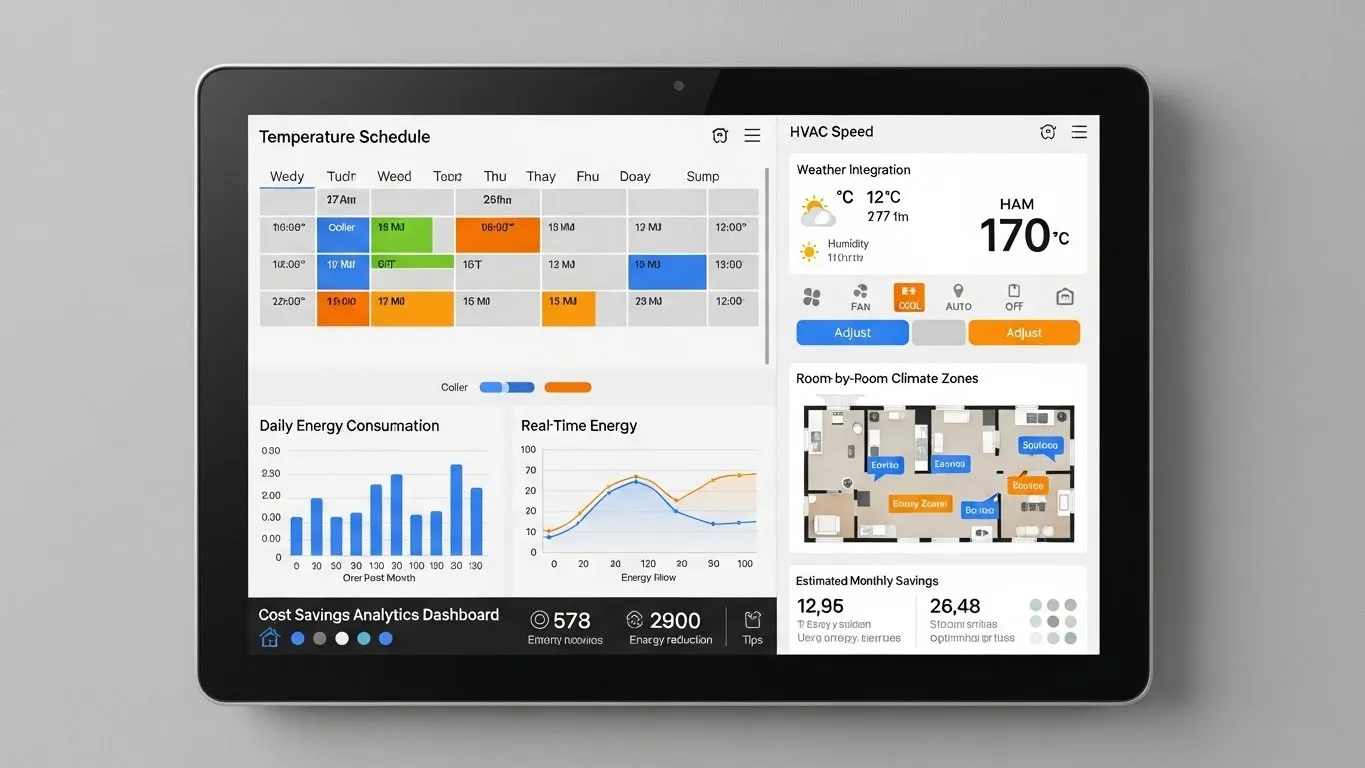
The modern home is no longer just a dwelling; it's an ecosystem of interconnected devices working harmoniously to enhance our lives. At the heart of this transformation lies the Internet of Things (IoT), a revolutionary concept that's fundamentally reshaping smart home automation. If you've ever wondered how your lights turn on with a voice command, or how your thermostat learns your preferences, you're experiencing the power of IoT.
This article delves into what the Internet of Things is and how it's the driving force behind the seamless convenience and efficiency we now expect from our living spaces. We'll explore its core components, benefits, and how it's paving the way for even more sophisticated automated routines and smart scenes in the future.
Key Points:
- Connectivity: IoT enables everyday objects to connect to the internet and each other.
- Data Exchange: Devices collect and share data, enabling intelligent actions and insights.
- Automation: IoT is the backbone of smart home automation, allowing for remote control and scheduled tasks.
- Enhanced Living: It leads to increased convenience, energy efficiency, and security.
- Future Potential: The evolution of IoT promises even more integrated and responsive smart home experiences.
Understanding the Internet of Things (IoT)
At its core, the Internet of Things (IoT) refers to a network of physical objects—"things"—that are embedded with sensors, software, and other technologies for the purpose of connecting and exchanging data with other devices and systems over the internet. These "things" can range from simple household appliances like light bulbs and thermostats to more complex systems like security cameras and entertainment centers. The primary goal of IoT is to enable these devices to communicate and interact with each other, and with us, in an intelligent and automated manner.
How IoT Works in Smart Homes
In the context of modern smart home automation, IoT acts as the invisible nervous system. It's not just about having smart devices; it's about their ability to communicate and coordinate. This connectivity is achieved through various technologies, including Wi-Fi, Bluetooth, Zigbee, and Z-Wave, which allow devices to form networks, either directly or through a central hub.
- Sensors: These are the eyes and ears of an IoT device. They collect data about the environment, such as temperature, light levels, motion, humidity, and occupancy. For instance, a smart thermostat uses temperature sensors to monitor the room's climate.
- Connectivity: Once data is collected, it needs to be transmitted. This is where the internet comes in. Devices connect to your home network (Wi-Fi) or a dedicated smart home hub, which then relays information to the cloud or directly to other devices.
- Processing: Cloud-based platforms or local hubs process the data received from sensors. This processing can involve simple commands like turning on a light or more complex analysis, such as learning your daily routine to optimize energy usage.
- Actuators: These are the components that perform actions based on the processed data and commands. For example, an actuator in a smart light bulb will turn the light on or off, or dim it, based on your instructions.
This continuous loop of sensing, communicating, processing, and acting is what makes smart home automation so powerful and responsive. It allows for a level of control and convenience that was once the realm of science fiction.
The Pillars of Smart Home Automation Powered by IoT
The integration of IoT into our homes has given rise to a host of innovative solutions that enhance comfort, security, and efficiency. These advancements allow us to create sophisticated automated routines and smart scenes tailored to our specific lifestyles.
Enhanced Convenience and Comfort
Perhaps the most immediate benefit of IoT in smart homes is the unparalleled convenience it offers. Imagine waking up to your blinds automatically opening, your coffee maker brewing, and your favorite news channel starting – all without lifting a finger. This is the power of IoT-driven automation.
- Voice Control: Systems like Amazon Alexa and Google Assistant, which are themselves IoT-enabled devices, allow you to control your entire home using simple voice commands. This is particularly beneficial for individuals with mobility issues or when your hands are full.
- Remote Access: With a smartphone app, you can control and monitor your home from anywhere in the world. Forgot to turn off the lights? Need to let a delivery person in? IoT makes it possible.
- Personalized Environments: Smart thermostats learn your preferences and adjust the temperature automatically. Smart lighting systems can change color and intensity to suit the mood or time of day, creating personalized ambiance.
Improved Energy Efficiency and Sustainability
IoT plays a crucial role in making our homes more energy-efficient, leading to significant cost savings and a reduced environmental footprint. By intelligently managing energy consumption, these devices contribute to a more sustainable lifestyle.
- Smart Thermostats: These devices learn your heating and cooling patterns and can adjust automatically when you're away, preventing unnecessary energy waste. Some can even integrate with weather forecasts to optimize heating and cooling cycles.
- Smart Lighting: Motion sensors can ensure lights are only on when a room is occupied, and smart bulbs can be dimmed or turned off remotely. Scheduling lights to turn on and off mimics occupancy when you're away, enhancing security and saving energy.
- Appliance Monitoring: Smart plugs and appliances can provide insights into energy usage, allowing you to identify and address energy-hungry devices. Some systems can even automatically power down devices when not in use.
Data from a 2023 report by Statista indicated that the adoption of smart home devices focused on energy management is expected to grow by an average of 15% annually, highlighting the increasing consumer demand for efficiency.
Advanced Security and Safety
IoT has revolutionized home security, moving beyond traditional alarm systems to offer more comprehensive protection and peace of mind. Smart security systems provide real-time monitoring and alerts, empowering homeowners with greater control and awareness.
- Smart Locks: These allow you to lock and unlock your doors remotely, grant temporary access to guests, and receive notifications when the door is opened or closed.
- Smart Cameras and Doorbells: With integrated cameras and two-way audio, you can see and speak to visitors at your door from your smartphone, whether you're home or miles away. They also provide motion detection and recording capabilities for added security.
- Smart Sensors: Beyond motion detectors, IoT enables a variety of safety sensors, including smoke detectors, carbon monoxide detectors, and water leak sensors, which can send instant alerts to your phone in case of an emergency.
Real-World IoT Applications in Smart Homes
The theoretical concepts of IoT translate into tangible benefits through various popular smart home devices and systems. Understanding these applications helps illustrate the practical impact of Internet of Things in smart home automation.
Smart Lighting Systems
Philips Hue, LIFX, and C by GE are leading brands offering smart bulbs and fixtures. These systems go beyond simple on/off functionality. You can:
- Set schedules for lights to turn on at sunset and off at sunrise.
- Create mood lighting by adjusting color and brightness.
- Integrate with motion sensors to automatically illuminate pathways.
- Control lights with voice commands via assistants like Alexa or Google Assistant.
This level of control is a direct result of individual bulbs being connected devices, communicating with each other and a central hub or your Wi-Fi network.
Smart Thermostats
Nest, Ecobee, and Honeywell are well-known for their smart thermostats. These devices learn your habits and preferences to optimize heating and cooling.
- Geofencing: They can detect when you leave or arrive home and adjust the temperature accordingly, saving energy when you're away and ensuring comfort upon your return.
- Remote Adjustment: You can control your home's temperature from anywhere using a smartphone app.
- Energy Usage Reports: Gain insights into your heating and cooling patterns and identify potential savings.
The ability of these thermostats to interact with your location data and learn your routines demonstrates advanced IoT integration.
Smart Security and Surveillance
Companies like Ring, Arlo, and SimpliSafe offer comprehensive smart security solutions.
- Video Doorbells: See, hear, and speak to visitors from your phone, and receive alerts for motion detection.
- Security Cameras: Monitor your property remotely, with features like night vision, motion tracking, and cloud storage for recorded footage.
- Smart Locks: Grant keyless entry to family and friends, and receive notifications about who enters and leaves your home.
These systems create a connected security network, providing real-time updates and remote control.
Differentiated Value: Beyond Basic Convenience
While convenience is a primary driver for smart home adoption, the true power of IoT lies in its ability to offer predictive and proactive solutions, moving beyond mere reaction.
Proactive Maintenance and Diagnostics: Emerging IoT platforms are starting to monitor the health of your home's infrastructure. For example, advanced smart appliances can detect early signs of malfunction and alert you before a breakdown occurs. A smart refrigerator might detect unusual temperature fluctuations and predict a potential compressor issue, allowing you to schedule maintenance proactively, thus avoiding spoiled food and costly emergency repairs. This moves smart homes from a reactive state to a predictive maintenance model. (Source: A 2024 industry analysis from Gartner highlighted the growing trend of predictive maintenance in consumer electronics.)
Interoperability and Ecosystem Integration: A significant challenge and an area of rapid advancement in IoT is interoperability—the ability of devices from different manufacturers to communicate seamlessly. Initiatives like Matter (a new connectivity standard backed by major tech companies) aim to break down these silos. This means a smart light from one brand could potentially work flawlessly with a smart speaker from another, creating a truly unified and intelligent home ecosystem. Instead of managing multiple apps, users can orchestrate complex automated routines and smart scenes across a diverse range of devices, unlocking deeper levels of personalization and automation. This focus on a unified ecosystem is a key differentiator from earlier, more fragmented smart home solutions.
The Future of IoT in Smart Home Automation
The evolution of modern smart home automation powered by IoT is far from over. We are on the cusp of even more intelligent and integrated living experiences.
- AI and Machine Learning: As AI and machine learning capabilities advance, IoT devices will become even smarter, capable of understanding complex patterns, anticipating needs, and making more sophisticated decisions autonomously. This could lead to homes that truly adapt to occupants' moods and activities.
- Edge Computing: Processing more data locally on devices (edge computing) rather than relying solely on the cloud will improve response times, enhance privacy, and reduce reliance on constant internet connectivity.
- Greater Interconnectivity: As standards like Matter gain traction, expect a more seamless integration of devices from various manufacturers, creating a truly cohesive smart home experience.
Frequently Asked Questions about IoT in Smart Homes
What are the main benefits of using IoT in my home?
The primary benefits include enhanced convenience through remote control and automation, improved energy efficiency leading to cost savings, and advanced security features for greater peace of mind. IoT makes managing your home simpler and more responsive to your needs.
Is it safe to have IoT devices in my home?
While IoT devices offer many advantages, security is a crucial consideration. It's essential to use strong, unique passwords, keep device firmware updated, and choose reputable brands that prioritize security protocols to protect your network from potential breaches.
How does IoT help save energy in a smart home?
IoT devices like smart thermostats and smart plugs monitor and control energy usage. They can automatically adjust heating and cooling when you're away, ensure lights are off when not needed, and provide insights into your consumption patterns, allowing you to make informed decisions to reduce waste.
What is a smart home hub, and do I need one?
A smart home hub acts as a central controller for your IoT devices, facilitating communication between them and your network. While some devices can connect directly via Wi-Fi, a hub can improve reliability, enable more complex automation, and support devices using protocols like Zigbee or Z-Wave.
Can I start with just a few IoT devices and build from there?
Absolutely. You can begin with a single smart device, such as a smart speaker or a smart plug, and gradually expand your smart home system over time as your needs and budget allow. This incremental approach makes adopting smart home technology more accessible.
Conclusion: Embracing the Connected Home
The Internet of Things (IoT) is no longer a futuristic concept; it's the driving force behind the modern smart home automation we enjoy today. By enabling everyday objects to connect, communicate, and act intelligently, IoT delivers unprecedented levels of convenience, efficiency, and security. From optimizing energy consumption to enhancing safety and comfort, the applications are vast and continue to expand.
As we move forward, expect IoT to usher in even more sophisticated automated routines and smart scenes, creating homes that are not just smart, but intuitively responsive to our lives. Embracing IoT means stepping into a more connected, comfortable, and sustainable future for your home.
Ready to transform your living space? Explore how smart home devices can be integrated into your daily life to create personalized automation routines. Share your thoughts on your favorite IoT devices in the comments below, or subscribe to our newsletter for more insights into the evolving world of smart home technology and connected living. For a deeper dive into setting up your first smart home, consider reading our guide on [article title suggestion for setting up a basic smart home] or learn more about creating custom [article title suggestion for advanced smart home scenes].