Choosing the Right IoT Devices for a Connected Home Experience
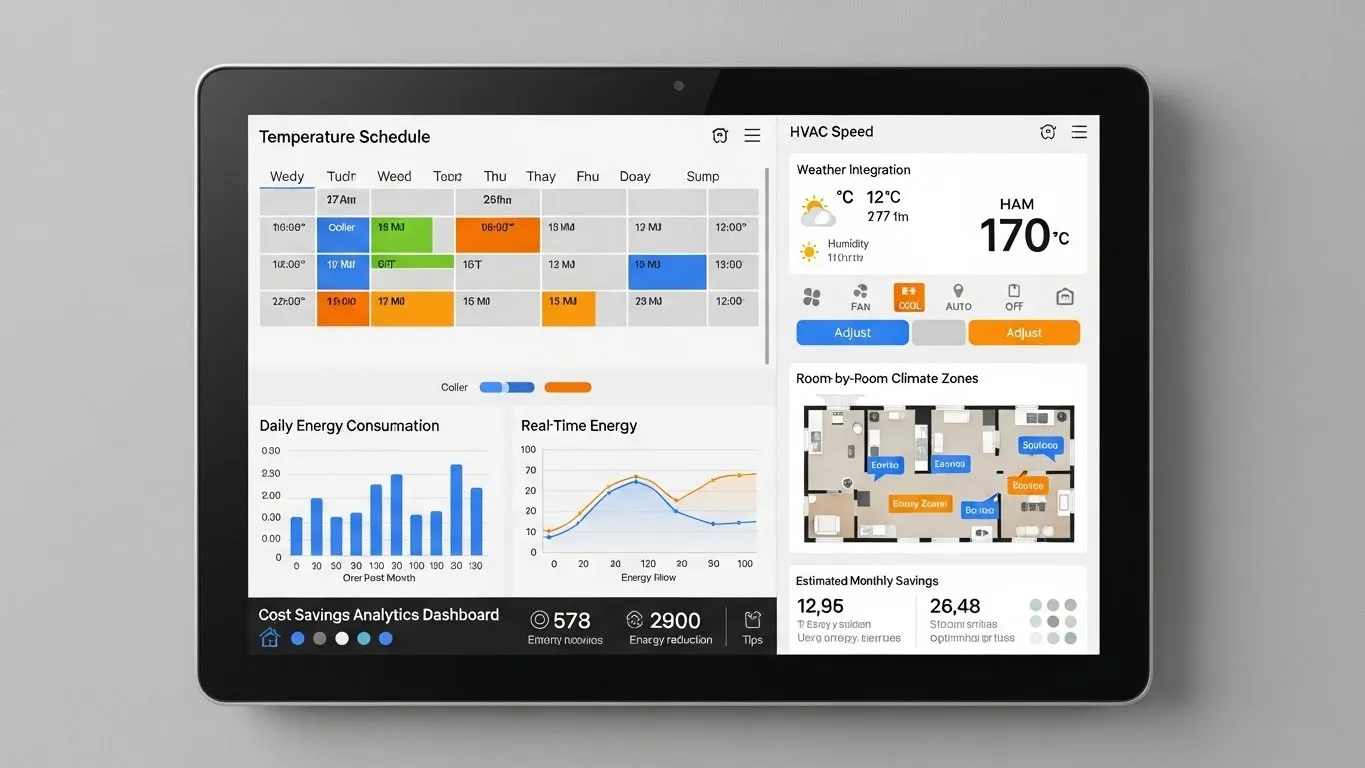
Embarking on the journey to create a smart, connected home is an exciting prospect, promising convenience, efficiency, and enhanced security. However, with an overwhelming array of options available, choosing the right IoT devices for a connected home experience can feel daunting. This guide is designed to demystify the process, helping you navigate the market to select devices that truly integrate, perform reliably, and meet your specific needs. From understanding core technologies to prioritizing privacy, we'll equip you with the knowledge to build a cohesive and future-proof smart home ecosystem.
Key Points for Choosing IoT Devices:
- Assess Your Needs: Define what you want your smart home to achieve before buying.
- Prioritize Compatibility: Ensure devices work together, ideally through a central hub or common standard.
- Evaluate Security & Privacy: Choose brands with strong security protocols and clear data policies.
- Consider Scalability: Plan for future expansion and device additions.
- Read Reviews & Research: Leverage community feedback and expert opinions.
Understanding Your Needs for a Connected Home
Before diving into the vast world of smart home technology, the first and most crucial step is to clearly define your objectives. What problems are you trying to solve, or what conveniences are you hoping to gain? Are you looking to enhance home security, reduce energy consumption, automate daily routines, or simply add a touch of modern luxury? Identifying your primary motivations will significantly narrow down your choices and prevent unnecessary purchases.
For instance, if energy efficiency is paramount, your focus might shift towards smart thermostats, smart lighting, and energy monitoring plugs. If security is the main concern, smart door locks, security cameras, and motion sensors will be at the top of your list. A truly effective connected home experience begins with a clear vision. Consider your daily habits and pain points; this personalized approach ensures that your chosen IoT devices genuinely add value to your life.
Key Considerations When Choosing IoT Devices
Once you have a clear idea of your needs, several technical and practical factors come into play when choosing the right IoT devices for a connected home experience. These considerations are vital for ensuring seamless integration and long-term satisfaction.
Compatibility and Ecosystem Integration
One of the biggest challenges in the smart home landscape is ensuring that different devices can communicate and work together. The market is fragmented, with various communication protocols (Wi-Fi, Bluetooth, Zigbee, Z-Wave, Thread) and ecosystems (Apple HomeKit, Google Home, Amazon Alexa, Samsung SmartThings). Prioritizing devices that support open standards like Matter, a new industry-unifying connectivity standard, can significantly simplify integration. If you already own a voice assistant or a specific brand's hub, look for devices that explicitly state compatibility with that ecosystem. A unified system offers a much smoother and more intuitive user experience.
Security and Data Privacy
The convenience of smart home devices comes with inherent security and privacy risks. Every connected device is a potential entry point for cyber threats. When choosing IoT devices, investigate the manufacturer's commitment to security updates, data encryption, and user privacy policies. Opt for brands with a strong reputation for security and transparent data handling practices. Consider features like two-factor authentication for device access and local data storage options where available. A 2024 report by the IoT Security Foundation highlighted that devices lacking regular firmware updates are significantly more vulnerable, underscoring the importance of manufacturer support.
Reliability and Performance
A smart home is only as smart as its most reliable components. Devices that frequently disconnect, respond slowly, or require constant troubleshooting can quickly diminish the convenience they promise. Read independent reviews and expert analyses to gauge a device's real-world performance. Look for consistent positive feedback regarding connection stability, battery life (for wireless devices), and responsiveness. Devices that perform consistently well, even under heavy network load, contribute significantly to a truly connected home experience.
Ease of Installation and Use
Not everyone is a tech wizard, and smart home devices should ideally be easy to set up and manage. Look for devices with clear instructions, intuitive mobile apps, and straightforward pairing processes. User-friendly interfaces reduce frustration and encourage greater adoption of smart home features. Many modern devices offer guided setup processes that make installation accessible even for beginners.
Building a Cohesive Smart Home Ecosystem
A truly intelligent home goes beyond individual smart gadgets; it's about creating an integrated ecosystem where devices work together seamlessly. This is where the concept of a "home automation hub" becomes crucial.
The Role of a Central Hub
A central hub acts as the brain of your smart home, allowing devices from different manufacturers and using various protocols to communicate with each other. While some voice assistants (like Amazon Echo or Google Nest Hub) can serve as basic hubs, dedicated home automation hubs often offer more robust control, advanced automation capabilities, and broader compatibility. For more information on this topic, readers can explore related articles on home automation hubs and their integration capabilities. Investing in a capable hub is a strategic move for a scalable and efficient smart home.
Leveraging Automation and Routines
The real magic of a connected home lies in its ability to automate tasks. Think about setting up routines: your lights turn on when you arrive home, the thermostat adjusts based on your schedule, or your smart blinds close at sunset. Explore devices that offer flexible scheduling and conditional automation (e.g., "if motion detected, then turn on light"). These intelligent automations elevate your smart home from a collection of gadgets to a truly responsive environment.
Advanced Features and Future-Proofing Your IoT Setup
As technology evolves, so do the capabilities of IoT devices. When choosing the right IoT devices for a connected home experience, it's wise to consider advanced features and how to future-proof your investment.
Energy Monitoring and Sustainability
Many modern smart devices offer detailed energy consumption monitoring, allowing you to identify energy vampires and optimize usage. Smart plugs can track the power draw of connected appliances, while smart thermostats learn your preferences to save energy. Prioritizing devices with energy-saving features not only reduces your utility bills but also contributes to a more sustainable lifestyle. Research published in the Journal of Smart Energy Solutions in late 2023 highlighted significant energy savings potential in homes utilizing integrated smart energy management systems.
Voice Control and Accessibility
Voice assistants have become integral to the smart home experience, offering hands-free control over lights, thermostats, entertainment, and more. When selecting devices, ensure they integrate well with your preferred voice assistant (Alexa, Google Assistant, Siri). Consider devices that offer multiple control methods (app, voice, physical buttons) for maximum flexibility and accessibility.
Scalability and Future Updates
Technology moves fast. When making your selections, think about how easily you can add new devices or upgrade existing ones. Choose platforms and devices that receive regular software updates to enhance features and patch security vulnerabilities. Opting for devices that support emerging standards like Matter ensures better long-term compatibility and reduces the risk of vendor lock-in, making your connected home setup more resilient to future changes.
FAQ Section
H3: What is the most important factor for IoT device compatibility?
The most important factor for IoT device compatibility is the communication protocol and ecosystem support. Ensure devices use the same wireless standards (like Wi-Fi, Zigbee, Z-Wave, or Thread) and are compatible with your chosen smart home hub or voice assistant platform (e.g., Google Home, Apple HomeKit, Amazon Alexa). The emerging Matter standard aims to simplify this by providing a unified language for smart devices.
H3: Are smart home devices truly secure from hacking?
While no system is 100% hack-proof, reputable smart home device manufacturers implement robust security measures like encryption, regular firmware updates, and two-factor authentication. Users also play a crucial role by using strong, unique passwords, enabling security features, and keeping their home network secure. Always choose brands with a strong security track record and transparent privacy policies to minimize risks.
H3: Can I start small with IoT devices and expand later?
Absolutely! Starting small is an excellent approach to building a connected home. Begin with a few key devices that address your most pressing needs, such as a smart thermostat or a couple of smart lights. As you become more comfortable and understand your preferences, you can gradually add more devices. Ensure your initial purchases are compatible with a broad ecosystem or a central hub to facilitate future expansion.
H3: How do I ensure my IoT devices don't slow down my home Wi-Fi?
To prevent IoT devices from slowing down your home Wi-Fi, consider a few strategies. Invest in a robust Wi-Fi router capable of handling multiple connections. Utilize devices that operate on different frequencies (e.g., 2.4GHz for many IoT devices, 5GHz for high-bandwidth streaming). Additionally, devices using protocols like Zigbee or Z-Wave create their own mesh networks, reducing reliance on your Wi-Fi for communication between them.
Conclusion: Crafting Your Ideal Connected Home Experience
Choosing the right IoT devices for a connected home experience is a journey that combines thoughtful planning with informed decision-making. By understanding your specific needs, prioritizing compatibility and security, and considering future scalability, you can build a smart home that truly enhances your lifestyle. Remember, the goal is not just to acquire gadgets, but to create a harmonious and intelligent environment that works for you.
We encourage you to share your smart home experiences and tips in the comments below! What devices have transformed your home, and what challenges have you overcome? Your insights can help others on their smart home journey. For those ready to dive deeper, consider exploring our guides on advanced home automation routines and the latest innovations in smart home security.