Choosing the Right IoT Devices for a Connected Home Ecosystem
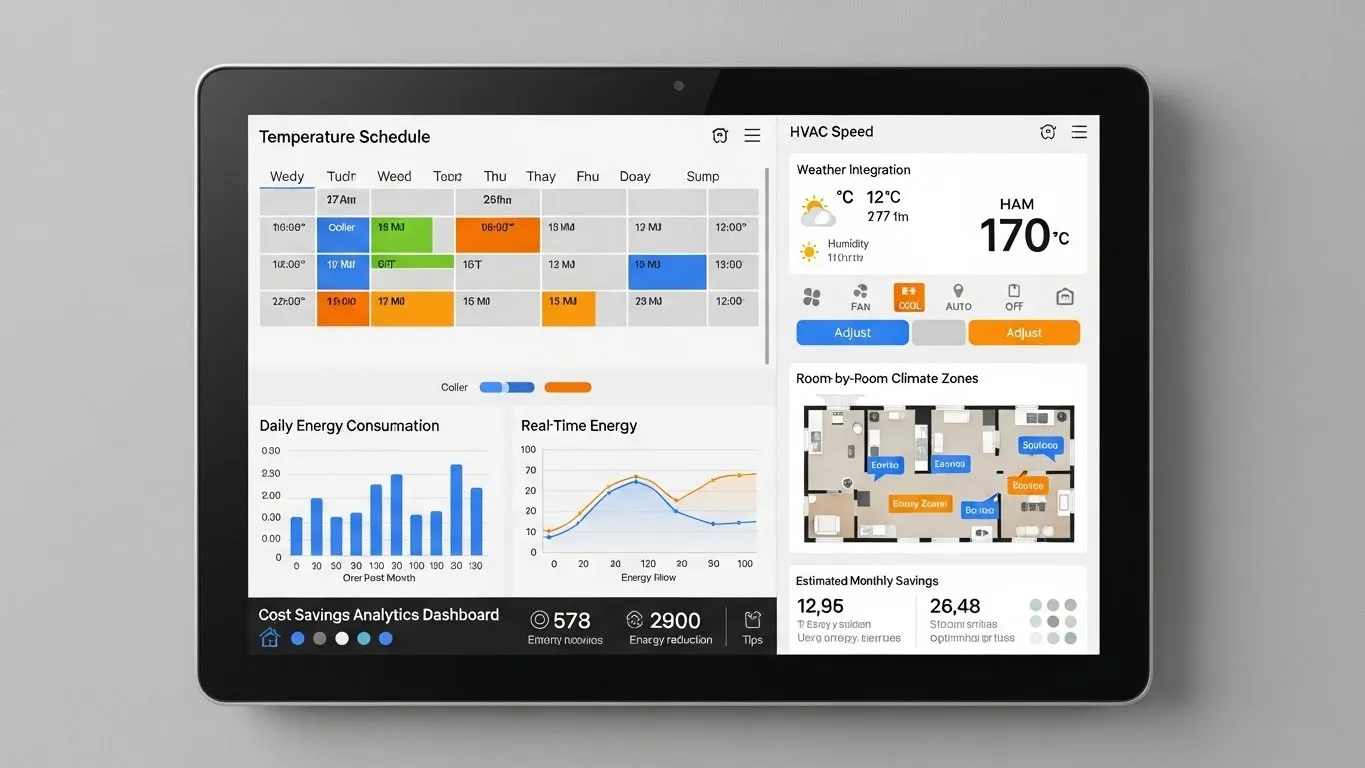
Choosing the Right IoT Devices for a Connected Home Ecosystem
Welcome to the future of living! A truly connected home ecosystem offers unparalleled convenience, security, and efficiency. However, with an ever-expanding market of smart home devices, choosing the right IoT devices for a connected home ecosystem can feel overwhelming. This guide will help you navigate the complexities, ensuring your smart home is not just a collection of gadgets, but a seamlessly integrated and intelligent living space. We'll explore crucial factors like compatibility, security, and scalability to help you make informed decisions that align with your lifestyle and future needs.
Key Points for Your Smart Home Journey:
- Ecosystem First: Prioritize devices that work together, ideally within a unified platform.
- Security is Paramount: Choose brands with strong privacy policies and regular updates.
- Future-Proofing: Look for devices supporting open standards like Matter for long-term compatibility.
- Define Your Needs: Start with specific problems you want to solve, not just buying gadgets.
- Budget Wisely: Smart home integration can be incremental; plan your investments.
Understanding Your Connected Home Needs and Goals
Before diving into specific products, it's essential to define what you want your smart home to achieve. Are you seeking enhanced security, greater energy efficiency, ultimate convenience, or a combination? Clearly articulating your goals will significantly narrow down your options when choosing the right IoT devices for a connected home ecosystem. Consider your daily routines and identify pain points that smart technology could alleviate.
For instance, if energy saving is a priority, smart thermostats and lighting might be your first investments. If security is paramount, smart cameras, door locks, and motion sensors will take precedence. Your budget also plays a crucial role; smart home integration can be a gradual process, allowing you to build your ecosystem over time. Think about your existing Wi-Fi infrastructure and any smart devices you already own, as these will influence compatibility decisions.
Essential Factors When Choosing IoT Devices
When building a robust connected home, several critical factors must guide your selection process. Overlooking these can lead to frustration, incompatibility issues, and a less-than-optimal smart home experience.
Compatibility and Ecosystem Integration for Seamless Operation
The cornerstone of any successful connected home is interoperability. Devices must be able to communicate and work together harmoniously. This often means selecting products that belong to the same ecosystem or support common communication protocols.
- Home Automation Hubs and Integration: A central hub is often the brain of your smart home, allowing devices from different manufacturers to communicate. Popular hubs include Samsung SmartThings, Hubitat, and even advanced media centers. For more information on this topic, readers can explore related articles on dedicated home automation hubs.
- Communication Protocols: Understand the primary protocols:
- Wi-Fi: Common for high-bandwidth devices like cameras, but can strain your network.
- Zigbee & Z-Wave: Low-power, mesh networks ideal for sensors, lights, and locks, requiring a compatible hub.
- Bluetooth: Best for short-range, direct device-to-phone connections.
- Thread: A newer, IP-based mesh networking protocol gaining traction, especially with the advent of Matter.
- Major Ecosystems: Consider platforms like Apple HomeKit, Google Home, and Amazon Alexa. Devices certified for these platforms are generally designed to integrate well, offering voice control and centralized management.
A key trend in 2024-2025 is the widespread adoption of Matter, a new open-source connectivity standard. Matter aims to simplify device compatibility across different brands and ecosystems, promising a future where "it just works." When choosing IoT devices, prioritizing Matter-certified products can significantly future-proof your smart home.
Prioritizing Security and Privacy in Your Smart Home
The convenience of a connected home should never come at the expense of your privacy or security. IoT security is a critical consideration.
- Data Encryption: Ensure devices use strong encryption for data transmission and storage.
- Regular Software Updates: Reputable manufacturers provide frequent firmware updates to patch vulnerabilities. Always keep your devices updated.
- Reputable Brands: Stick to well-known brands with a proven track record in security. Research their privacy policies carefully.
- Network Segmentation: Consider setting up a separate Wi-Fi network for your smart devices to isolate them from your main network, enhancing overall security.
- Strong Passwords: Use unique, complex passwords for all your smart devices and accounts.
According to a 2024 report by TechSecure Insights, over 60% of consumers are concerned about the security of their smart home devices, highlighting the industry's need for robust security measures.
Reliability and Performance for a Seamless Experience
A smart home should simplify life, not complicate it. Choose devices known for their reliability and consistent performance.
- Brand Reputation and Reviews: Research brands and read user reviews. Look for consistent positive feedback regarding device stability and responsiveness.
- Connectivity Range and Stability: Ensure devices have adequate range for your home size, especially for wireless protocols like Zigbee and Z-Wave.
- App Quality: A well-designed, intuitive app is crucial for managing and interacting with your devices.
Scalability and Future-Proofing Your Smart Home
Your smart home will likely grow and evolve. Plan for scalability from the outset.
- Open Standards: Devices supporting open standards like Matter are more likely to remain compatible with future technologies.
- Modular Design: Can you easily add more devices or expand functionality without replacing your entire setup?
- Software Updates and Support: Choose brands committed to long-term software support and feature enhancements. This ensures your investment remains valuable.
Popular IoT Device Categories and Key Considerations
Let's look at some common smart home device categories and what to consider when choosing IoT devices within them.
- Smart Lighting: Offers energy savings and ambiance. Look for dimmability, color options, and integration with voice assistants. Brands like Philips Hue and Lutron Caseta are popular choices.
- Smart Thermostats: Optimize energy use and comfort. Features like geofencing, learning algorithms, and multi-zone control are valuable. Nest and Ecobee are industry leaders.
- Smart Security Devices: Includes cameras, door locks, and sensors. Prioritize high-resolution video, two-way audio, reliable motion detection, and robust encryption.
- Smart Plugs: An easy entry point to home automation, turning any appliance into a smart device. Ensure they support your chosen ecosystem.
- Voice Assistants: Devices like Amazon Echo and Google Home act as central control points, allowing voice commands for all integrated devices.
Frequently Asked Questions (FAQ)
What is the most important factor when choosing IoT devices for a connected home?
The most important factor is compatibility and ecosystem integration. If your devices don't communicate effectively, your smart home will be fragmented and frustrating. Prioritize devices that work with your chosen hub or platform (e.g., Apple HomeKit, Google Home, Amazon Alexa) and support common protocols like Matter, Zigbee, or Z-Wave. This ensures seamless automation and a truly connected experience.
How can I ensure my smart home devices are secure and protect my privacy?
To ensure IoT security, always choose reputable brands known for their commitment to privacy and regular software updates. Use strong, unique passwords for all devices and accounts. Consider enabling two-factor authentication where available. Additionally, segmenting your smart devices onto a separate Wi-Fi network can add an extra layer of protection against potential breaches.
Can I mix and match IoT devices from different brands in my smart home?
Yes, you can often mix and match IoT devices from different brands, especially if they support a common communication protocol (like Matter, Zigbee, or Z-Wave) or integrate with a central home automation hub (like SmartThings) or a major ecosystem (Google Home, Amazon Alexa). However, direct device-to-device compatibility might be limited, making a central hub or platform crucial for unified control and automation.
What is a home automation hub and do I need one for my connected home?
A home automation hub acts as the central brain of your smart home, allowing devices from various manufacturers and different communication protocols (Wi-Fi, Zigbee, Z-Wave, Thread) to communicate with each other. While some Wi-Fi-only devices can operate independently, a hub is often essential for complex automations, cross-brand compatibility, and local control, reducing reliance on cloud services.
Future-Proofing Your Connected Home
Choosing the right IoT devices for a connected home ecosystem is an ongoing journey. As technology evolves, so too will your smart home. By focusing on open standards like Matter, prioritizing security, and selecting reliable, scalable products, you can build an intelligent living space that adapts to your needs for years to come. Remember, the goal is to create a home that works for you, enhancing comfort, efficiency, and peace of mind.
We encourage you to share your experiences and tips in the comments below. For more insights into optimizing your smart living space, explore our related articles on advanced home automation hubs and the latest in IoT security best practices. Stay connected, stay smart!
Structured Data Recommendations:
- Article Schema: For the main content of the article.
- FAQPage Schema: For the Frequently Asked Questions section.
- HowTo Schema: Could be considered if the article included more step-by-step