Best Smart Home Lighting Automation for Energy Efficiency & Ambiance
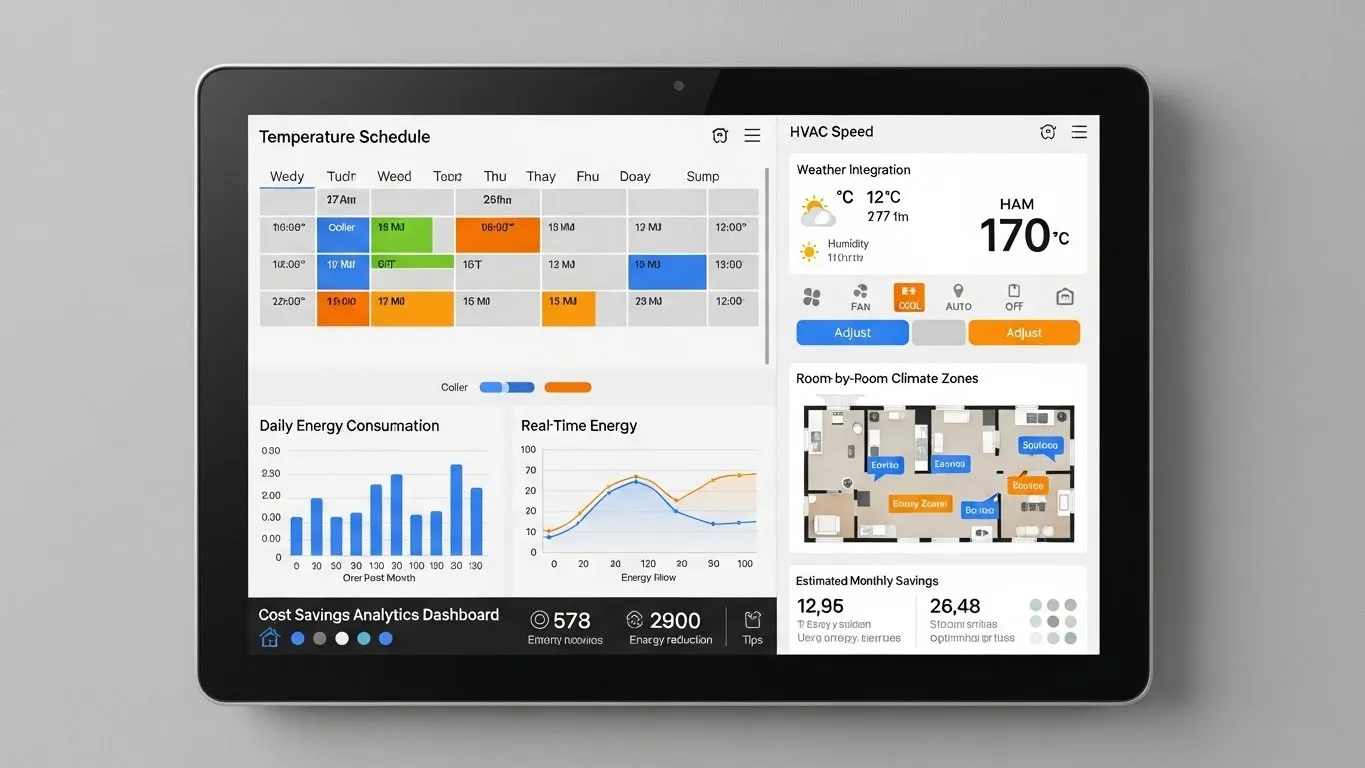
The integration of smart home lighting automation is revolutionizing how we interact with our living spaces. It’s no longer just about flipping a switch; it’s about creating intelligent, responsive environments that cater to our needs while optimizing energy consumption. From setting the perfect mood for a dinner party to ensuring lights are off when you leave a room, smart lighting offers unparalleled convenience and significant cost savings. Embracing this technology means investing in a more comfortable, efficient, and environmentally conscious home.
Key Points:
- Energy Savings: Reduce electricity bills through automated dimming, scheduling, and occupancy sensing.
- Ambiance Creation: Effortlessly tailor lighting to any activity or mood with customizable color and brightness.
- Enhanced Convenience: Control lights via voice commands, smartphone apps, or automated schedules.
- Security & Safety: Simulate occupancy when away and ensure safe navigation with motion-activated lights.
- Integration: Seamlessly connect with other smart home devices for a unified ecosystem.
Maximizing Energy Efficiency with Smart Home Lighting Automation
One of the most compelling reasons to adopt smart home lighting automation is its profound impact on energy efficiency. Traditional lighting systems often lead to wasted electricity through lights being left on unnecessarily. Smart lighting solutions directly address this by introducing intelligent control mechanisms. Systems can learn your routines and automatically dim or turn off lights when a room is unoccupied, a feature powered by advanced occupancy or motion sensors. This simple yet effective automation can lead to substantial reductions in your monthly energy bills, contributing to both your finances and a greener planet.
Furthermore, smart lighting allows for precise control over brightness levels. Instead of defaulting to 100%, lights can be set to a lower, more energy-saving level during times when full illumination isn't required. This feature, often referred to as dimming control, is crucial for maximizing efficiency. For instance, during daylight hours, interior lights can be dimmed significantly or turned off entirely if natural light is sufficient. This adaptive lighting approach ensures that energy is only used when and where it's truly needed. Research from the U.S. Department of Energy indicates that LED lighting, when combined with smart controls, can offer energy savings of up to 80% compared to incandescent bulbs.
Scheduled Lighting for Energy Savings
A cornerstone of energy-efficient smart lighting is scheduling. You can program your lights to turn on and off at specific times, mimicking your daily routine or ensuring lights are off after a certain hour. This eliminates the worry of forgetting to switch off lights before leaving for work or going to bed. Consider setting your outdoor lights to turn on at dusk and off at dawn automatically, or scheduling interior lights to dim in the late evening. This proactive approach not only saves energy but also adds a layer of convenience.
Occupancy and Vacancy Sensors: The Unsung Heroes
Occupancy and vacancy sensors are critical components of smart home lighting automation for energy efficiency. Occupancy sensors detect motion and turn lights on when someone enters a room, and off after a period of inactivity. Vacancy sensors require manual activation to turn lights on, but then automatically turn them off when the room is empty. While requiring a manual initial step, vacancy sensors can offer even greater energy savings by preventing lights from turning on when not needed. These sensors are particularly effective in high-traffic areas like hallways, bathrooms, and living rooms.
Creating Ambiance with Smart Home Lighting Automation
Beyond mere functionality and energy savings, smart home lighting automation excels at enhancing the ambiance of your living space. Imagine walking into your home after a long day and having the lights automatically adjust to a warm, welcoming glow. This level of personalized control transforms your home into a dynamic environment that adapts to your mood and activities. With millions of color options and adjustable brightness levels, you can curate the perfect atmosphere for any occasion.
Scene Creation for Perfect Moods
Scene creation is a powerful feature that allows you to pre-set lighting configurations for various activities. You can create a "Movie Night" scene that dims the lights and sets a subtle, warm hue, or a "Dinner Party" scene that provides bright, inviting illumination. These scenes can be activated with a single tap on your smartphone, a voice command, or even triggered by other smart home events. For example, a "Good Morning" scene could gradually brighten your bedroom lights to simulate a natural sunrise, easing you into the day.
Color Temperature and Hue Control
The ability to control color temperature and hue is what truly elevates smart lighting for ambiance. Color temperature ranges from warm, cozy yellows (around 2700K) to cool, invigorating blues (around 6500K). You can select a warm, soft light for relaxation or a crisp, cool light for tasks requiring focus. Beyond temperature, many smart bulbs offer the full spectrum of RGB colors, allowing for incredibly creative and mood-setting lighting designs. This opens up possibilities for accent lighting, holiday decorations, and even light therapy applications.
Integrating with Entertainment Systems
For an immersive experience, smart lighting can be integrated with your entertainment systems. Imagine lights that pulse and change color in sync with your music, or dynamic lighting effects that enhance the action in your favorite movies. This level of synchronization creates a truly captivating and engaging environment, transforming your living room into a personalized entertainment hub. Platforms like Philips Hue have demonstrated sophisticated integration capabilities with various media sources.
Key Features and Technologies in Smart Lighting Automation
Understanding the technologies behind smart home lighting automation is crucial for making informed decisions. The ecosystem of smart lighting is diverse, offering various communication protocols and control methods.
Connectivity Protocols: Wi-Fi, Zigbee, and Z-Wave
Smart lights typically connect to your home network using one of several protocols:
- Wi-Fi: Many smart bulbs connect directly to your Wi-Fi router. This offers ease of setup but can sometimes strain your network if you have many devices.
- Zigbee and Z-Wave: These are low-power, mesh networking protocols designed specifically for smart home devices. They require a dedicated hub but create a more robust and efficient network, preventing congestion on your Wi-Fi. A report from Statista in 2024 highlighted the continued growth of Zigbee and Z-Wave adoption in the smart home market due to their reliability.
Voice Control and Smart Assistants
Voice control is a game-changer for smart lighting. Integrating with popular smart assistants like Amazon Alexa, Google Assistant, and Apple's Siri allows you to control your lights with simple voice commands. "Alexa, dim the living room lights to 50%" or "Hey Google, turn on the kitchen lights" become everyday conveniences. This hands-free operation is incredibly useful when your hands are full or you're across the room.
Smartphone Apps and Remote Access
The smartphone app is your central command center for smart lighting. These apps allow you to:
- Turn lights on/off remotely from anywhere with an internet connection.
- Adjust brightness and color.
- Create schedules and scenes.
- Monitor energy consumption.
- Manage multiple devices and rooms.
This remote access provides peace of mind, allowing you to check if you left lights on or turn them on before arriving home.
Differentiated Value: Predictive Lighting and Geofencing
Beyond standard features, some advanced smart lighting systems offer predictive lighting and geofencing.
- Predictive Lighting: These systems use AI to learn your patterns and anticipate your needs. For example, lights might gradually brighten as you approach a room based on your usual schedule. This offers a more proactive and seamless experience than reactive motion sensing.
- Geofencing: This technology uses your smartphone's location to automate lighting. Lights can turn off automatically when you leave home and turn on as you approach, ensuring your home is lit when you arrive and energy is saved when you're out. This offers an excellent balance of convenience and efficiency.
Implementing Smart Home Lighting Automation: Considerations and Best Practices
Before diving into a smart lighting system, consider a few key factors to ensure a smooth and effective implementation.
Compatibility and Ecosystem
Ensure that the smart bulbs, switches, and hubs you choose are compatible with each other and with your existing smart home ecosystem. If you're already invested in a particular brand or voice assistant, look for products that integrate seamlessly. Research from industry analysts in late 2023 indicated a growing trend towards interoperability standards like Matter, which aims to simplify this process.
Installation and Setup
Most smart bulbs are as easy to install as traditional bulbs. Smart switches and dimmer modules may require basic electrical knowledge or the assistance of an electrician. Hub-based systems require setting up the hub first, then pairing your devices. Wi-Fi bulbs typically connect directly to your router via the app.
Budget and Scalability
Smart lighting systems can range from a few smart bulbs to a comprehensive overhaul of your home's lighting. Start small with a few key areas, like your living room or master bedroom, and gradually expand as your budget allows and you become more familiar with the technology. Most systems are highly scalable, allowing you to add more devices over time.
Security and Privacy
As with any connected device, security and privacy are important considerations. Ensure you use strong, unique passwords for your smart home accounts and keep your device firmware updated. Reputable brands invest heavily in securing their platforms.
The Future of Smart Lighting
The evolution of smart lighting is ongoing. We can expect further advancements in AI-driven automation, making systems even more intuitive and personalized. Increased integration with other smart home devices, such as security systems and thermostats, will create truly unified and intelligent living environments. The focus will continue to be on delivering both unparalleled convenience and significant energy savings, making smart lighting an essential component of the modern, sustainable home.
Frequently Asked Questions (FAQ)
Q1: How much energy can smart lighting automation save me? A1: Smart lighting automation can significantly reduce energy consumption, often by 15-30% or more, by ensuring lights are only on when needed, dimmed appropriately, and turned off when rooms are unoccupied. This translates to lower electricity bills and a reduced carbon footprint.
Q2: Can I control my smart lights when I'm not at home? A2: Yes, most smart lighting systems offer remote access through smartphone apps. This allows you to control your lights from anywhere in the world with an internet connection, providing convenience and peace of mind.
Q3: What is the difference between occupancy and vacancy sensors? A3: Occupancy sensors automatically turn lights on when motion is detected and off after a period of inactivity. Vacancy sensors require manual activation to turn lights on but will automatically turn them off when the room is empty, offering potentially greater energy savings.
Q4: Do I need a separate hub for smart lighting? A4: It depends on the system. Some smart bulbs connect directly to your Wi-Fi, while others, particularly those using Zigbee or Z-Wave protocols, require a dedicated hub to communicate with your network and smart assistant.
Conclusion and Next Steps
Embracing smart home lighting automation is a smart investment for any homeowner looking to enhance their living experience, boost energy efficiency, and reduce utility costs. The combination of convenience, customization, and sustainability offered by these systems is truly transformative.
Ready to begin your smart lighting journey?
- Explore different smart bulb and switch options to find what best fits your needs and budget.
- Consider your existing smart home ecosystem to ensure seamless integration.
- Start with a small project and expand your smart lighting setup gradually.
We encourage you to share your experiences with smart lighting automation in the comments below! What are your favorite features, or what challenges have you encountered?
For readers interested in further optimizing their homes, consider exploring articles on smart thermostats for energy savings or creating a connected home security system.