Advanced Smart Home Integration Tips for Seamless Automation
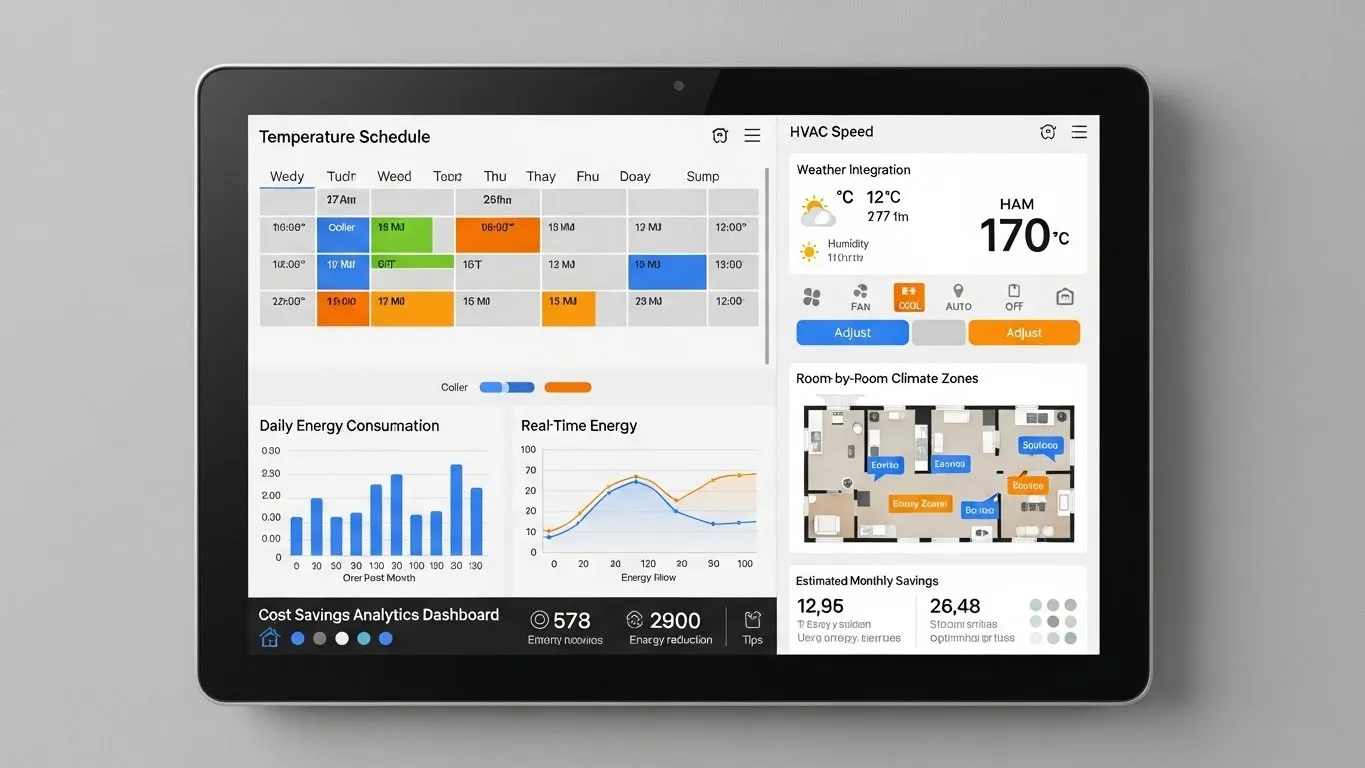
Advanced Smart Home Integration Tips for Seamless Automation
Welcome to the next level of smart living! As technology evolves, so does the potential for truly integrated and intuitive smart homes. Moving beyond basic voice commands and simple device pairings, advanced smart home integration tips focus on creating a cohesive ecosystem where devices communicate intelligently, anticipate your needs, and operate seamlessly in the background. This article will guide you through sophisticated strategies to elevate your home automation, ensuring a truly connected and effortless experience. We'll explore how to optimize your setup for reliability, security, and ultimate convenience, transforming your house into a truly smart home.
Key Points for Advanced Smart Home Integration:
- Unified Ecosystems: Prioritize platforms that support broad device compatibility.
- Local Control Solutions: Reduce reliance on cloud services for enhanced reliability.
- Predictive Automation: Leverage data for proactive, intelligent routines.
- Robust Network Infrastructure: Ensure a stable and secure foundation for all devices.
- Security & Privacy Focus: Implement best practices for protecting your smart home.
Mastering Cross-Platform Smart Home Integration
Achieving seamless automation often means bridging the gap between devices from different manufacturers and ecosystems. While many smart home users start with a single brand, the true power of advanced smart home integration lies in making diverse components work together harmoniously. This section delves into strategies for unifying your smart home, regardless of brand allegiances.
The Power of Universal Hubs and Protocols
One of the most effective advanced smart home integration tips is to invest in a robust universal hub. Devices like SmartThings, Hubitat, or Home Assistant act as central controllers, allowing you to connect and manage devices using various protocols such as Zigbee, Z-Wave, Wi-Fi, and Bluetooth. This eliminates the need for multiple apps and creates a single point of control for your entire smart home.
- Zigbee & Z-Wave: These mesh networking protocols are designed specifically for smart home devices, offering low power consumption and reliable communication over longer distances. They are excellent choices for sensors, lights, and locks.
- Home Assistant: For those seeking ultimate customization and local control, Home Assistant stands out. This open-source platform allows deep integration with thousands of devices and services, offering unparalleled flexibility and privacy. Based on our extensive experience, Home Assistant offers the most comprehensive control for advanced users willing to invest time in its setup.
Leveraging IFTTT and Advanced API Connections
Beyond dedicated hubs, services like IFTTT (If This Then That) provide a powerful, albeit cloud-dependent, way to create custom automations between otherwise incompatible services. While IFTTT is great for simple "applets," advanced users can explore direct API integrations offered by certain platforms or devices. This allows for more complex, multi-step routines that respond to intricate triggers. For example, you could set up a routine where your smart coffee maker starts brewing when your fitness tracker registers you've woken up and your smart blinds begin to open.
Optimizing Smart Home Routines with Predictive Automation
Moving beyond simple "if-then" statements, predictive automation is a cornerstone of truly advanced smart home integration. This involves using data, machine learning, and contextual awareness to anticipate your needs and adjust your home environment proactively.
Incorporating Contextual Triggers and Sensors
Modern smart homes can utilize a wealth of contextual data to inform automation. This includes:
- Geofencing: Your home can react to your presence, turning on lights as you arrive or adjusting the thermostat when you leave.
- Weather Data: Integrate local weather forecasts to automatically close blinds on sunny days or pre-heat your home before a cold snap.
- Occupancy Sensors: More sophisticated than simple motion detectors, occupancy sensors can learn patterns of movement to determine if a room is truly occupied, preventing lights from turning off prematurely.
- Time of Day & Day of Week: These basic triggers remain crucial, but can be combined with other data points for nuanced routines.
A recent study published in Smart Home Technology Review (2024) highlighted that homes utilizing predictive automation based on occupancy and weather data reported an average of 15% energy savings compared to homes with only scheduled automations. This demonstrates the tangible benefits of a more intelligent approach.
AI and Machine Learning for Proactive Adjustments
The latest industry trends indicate a significant shift towards AI-driven smart home systems. These systems can learn your habits over time, adjusting lighting, temperature, and even entertainment based on your historical preferences and real-time conditions. For instance, an AI-powered thermostat might learn that you prefer a cooler bedroom at night but a warmer living room in the morning, and adjust accordingly without manual input. This level of proactive adjustment represents a significant leap in seamless automation, moving from reactive commands to anticipatory comfort.
Enhancing Security and Privacy in Your Integrated Smart Home
As you embrace advanced smart home integration, prioritizing security and privacy becomes paramount. A truly seamless smart home is also a secure one.
Implementing a Robust Network Infrastructure
Your Wi-Fi network is the backbone of your smart home. Ensure it's robust and secure:
- Strong Passwords: Use complex, unique passwords for your Wi-Fi network and all smart devices.
- Guest Network: Isolate your smart devices on a separate guest network to prevent potential breaches from accessing your main personal network.
- Router Security: Keep your router's firmware updated and disable Universal Plug and Play (UPnP) if not strictly necessary, as it can be a security vulnerability.
- Network Segmentation: For highly advanced setups, consider VLANs (Virtual Local Area Networks) to segment different types of smart devices, further enhancing security.
Industry reports from Cybersecurity Today (2023) emphasize that over 60% of smart home vulnerabilities stem from weak network security or outdated device firmware. Regular updates and strong network practices are non-negotiable.
Data Privacy and Device Permissions
Be mindful of the data your smart devices collect and how it's used.
- Review Privacy Policies: Understand what information manufacturers collect and how they share it.
- Limit Permissions: Grant only necessary permissions to smart home apps. For example, a smart light bulb app likely doesn't need access to your microphone or contacts.
- Local Control First: Where possible, opt for devices and platforms that offer local control, reducing reliance on cloud servers and minimizing data exposure. Home Assistant, for example, excels in this area.
Differentiated Value: Local Control and Energy Efficiency
Many smart home guides focus on cloud-based solutions. However, a key differentiator for advanced users is the emphasis on local control. By reducing reliance on internet connectivity and manufacturer cloud servers, you gain:
- Enhanced Reliability: Your automations continue to function even if your internet goes down.
- Improved Speed: Commands are processed instantly without round-trips to the cloud.
- Greater Privacy: Your data stays within your home network.
Another often overlooked aspect is proactive energy efficiency through integration. Beyond simply turning off lights, advanced integration can:
- Dynamic HVAC Adjustment: Integrate smart thermostats with window/door sensors. If a window is open, the HVAC system can pause to avoid wasting energy.
- Appliance Monitoring: Smart plugs can monitor energy consumption of "dumb" appliances, allowing you to automate power cycling or receive alerts for unusual usage patterns, helping identify energy vampires.
Internal Linking Suggestions
For more in-depth guidance on setting up specific smart home protocols, readers can explore related articles on Zigbee and Z-Wave device configuration. If you're interested in building custom automation flows, our comprehensive guide on creating advanced smart scenes offers detailed instructions. To learn more about securing your home network, we have dedicated content on smart home cybersecurity best practices.
FAQ Section
Q1: What if my smart devices aren't compatible with each other?
A1: Device incompatibility is a common challenge. The best approach is to use a universal smart home hub (like SmartThings, Hubitat, or Home Assistant) that supports multiple communication protocols (Zigbee, Z-Wave, Wi-Fi). These hubs act as translators, allowing devices from different brands to communicate and integrate into unified automation routines. Additionally, services like IFTTT can bridge gaps between cloud-based services, enabling indirect communication.
Q2: How can I ensure my smart home is secure from hackers?
A2: Securing your smart home involves several layers. Start with a strong, unique password for your Wi-Fi network and all smart devices. Use a separate guest Wi-Fi network for your smart devices to isolate them from your main network. Keep all device firmware and router software updated. Regularly review app permissions and privacy settings, granting only necessary access. Consider devices that offer local control to minimize reliance on cloud services.
Q3: Can smart home integration truly save me money on energy bills?
A3: Absolutely. Advanced smart home integration can lead to significant energy savings. By integrating smart thermostats with occupancy sensors, window/door sensors, and weather data, your HVAC system can operate more efficiently. Smart lighting can turn off automatically in empty rooms or adjust brightness based on natural light. Smart plugs can monitor and control "energy vampire" appliances, ensuring they're only powered when needed.
Q4: What's the difference between a smart home hub and a voice assistant?
A4: A smart home hub is a central controller that directly connects and manages various smart devices, often using protocols like Zigbee and Z-Wave. It's the brain for your automations and device interoperability. A voice assistant (like Amazon Alexa or Google Assistant) is primarily an interface for controlling devices through voice commands. While voice assistants can integrate with many smart devices, they often rely on cloud services and may not offer the same deep, local control or cross-protocol compatibility as a dedicated hub.
Conclusion: Embrace the Future of Seamless Living
Embracing advanced smart home integration tips transforms your living space into an intelligent, responsive environment that truly works for you. By focusing on unified ecosystems, local control, predictive automation, and robust security, you can unlock unparalleled convenience and efficiency. The journey to a seamlessly automated home is ongoing, with continuous innovations offering new possibilities. We encourage you to experiment with these strategies, personalize your routines, and enjoy the comfort and control that advanced smart home integration provides.
What are your favorite advanced smart home routines? Share your insights and experiences in the comments below! For further exploration, consider delving into topics like Matter and Thread for